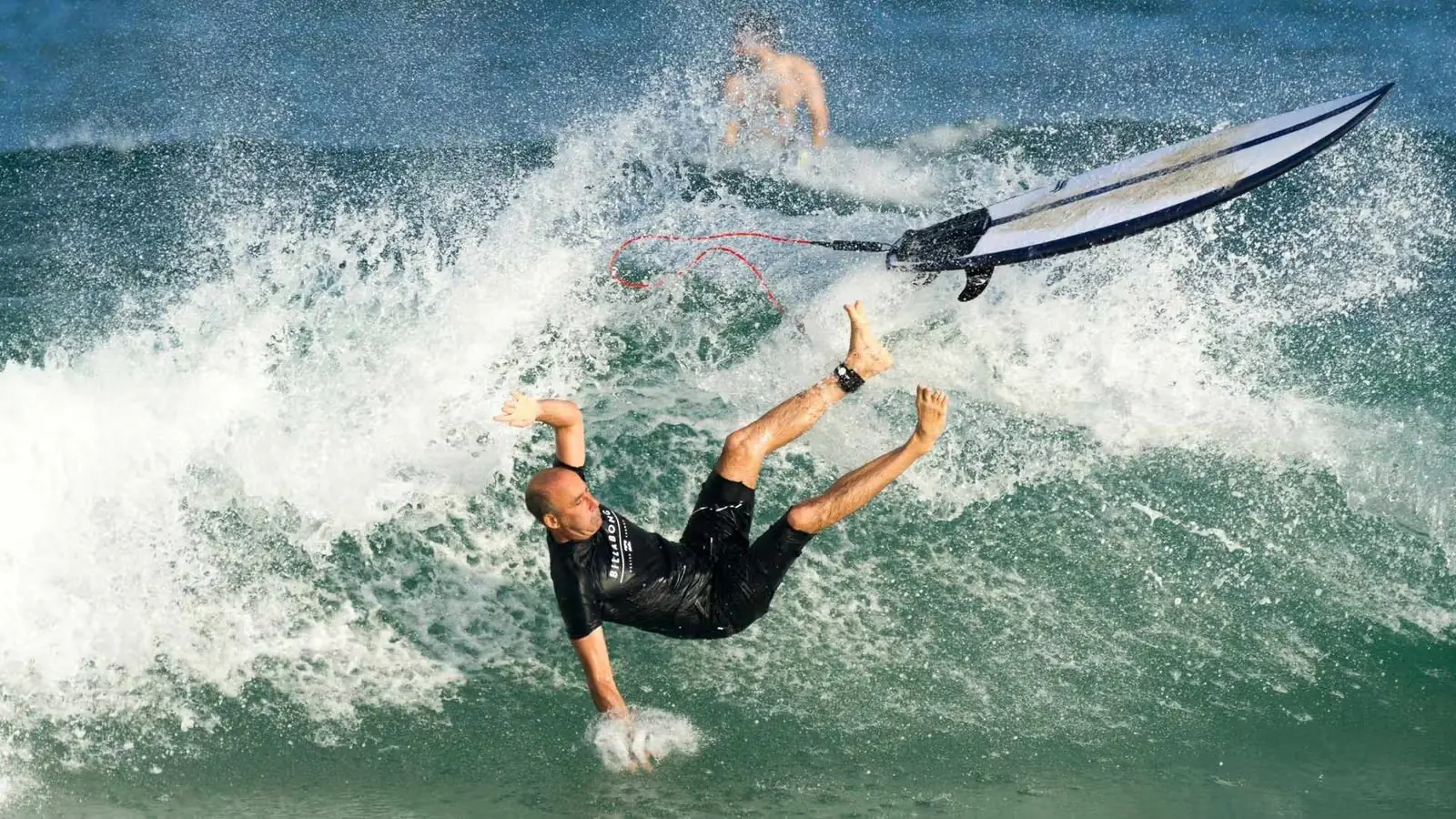
How to Manage Surf Camp Injuries: Operations, First Aid, & Triage
Managing health emergencies within the specialized environment of a surf lodge requires navigating a unique combination of coastal isolation, physical exertion, and environmental unpredictability. Operators face a distinct set of operational challenges that differ significantly from standard hospitality or urban sports management. When guests gather at remote breaks, the distance to high-level trauma centers can transform minor mishaps into complex logistical problems.
The modern surf retreat balances recreational guest management with implicit safety obligations. Guests present wide variations in physical conditioning, ocean literacy, and risk tolerance. Instructors must evaluate breaking wave dynamics while constantly monitoring a group dispersed across a shifting line-up. Under these conditions, an effective emergency response plan depends on structured preparation rather than quick, improvised fixes.
Professionalizing medical response protocols across camp operations helps prevent operational delays when incidents occur. A clear protocol structures how teams handle minor reef scrapes as well as severe spinal trauma. Establishing systematic triage models, comprehensive staff training, and reliable evacuation routes allows operators to maintain control during sudden medical crises.
Understanding “How to Manage Surf Camp Injuries”
Understanding how to manage surf camp injuries requires looking beyond basic first-aid supplies to examine the complete operational ecosystem. Injury management begins long before a surfer steps into the ocean and continues well after an injured guest leaves the water. A common operational flaw involves viewing incident response as a single, isolated event handled entirely by an individual instructor.
Treating safety management as a scattered set of individual tasks creates dangerous gaps in responsibility during high-stress situations. Field experience shows that ambiguous communication channels during a crisis cause costly delays in critical transport decisions.
Beyond Simple First Aid
Effective management connects on-field triage directly to regional healthcare networks. Surf camps frequently operate in developing regions where public emergency services are limited, inconsistent, or geographically distant. Consequently, camp directors must build internal medical capacity that operates reliably until professional emergency care takes over.
Perspective Alignment
Different stakeholders within a surf camp often view medical risk through completely different lenses:
-
Instructors prioritize immediate ocean safety, wave conditions, and physical extraction.
-
Camp Directors focus on liability, reputation, staff allocation, and operational continuity.
-
Guests expect rapid pain relief, clear communication, and a quick return to their vacation activities.
-
Local Healthcare Providers need clear, accurate baseline medical information and prompt transport decisions.
Oversimplifying this process usually results from relying on urban first-aid models that assume an ambulance will arrive within minutes. In remote coastal settings, camp staff must manage patient stability, wound sanitation, and transportation logistics for hours.
Deep Contextual Background: The Evolution of Surf Tourism Risk
The surf tourism industry has changed dramatically over the last thirty years. Early surf travel involved experienced watermen navigating remote coastlines with minimal infrastructure. These travelers assumed total personal responsibility for their safety, carrying basic medical supplies and accepting the inherent risks of remote exploration.
Infrastructure Shifts
As surf travel commercialized, the average guest profile shifted toward novice and intermediate recreational surfers. This demographic transition expanded the market while fundamentally changing the camp operator’s duty of care. Modern guests expect organized instruction, modern accommodations, and comprehensive safety structures, even in remote locations.
Environmental Realities
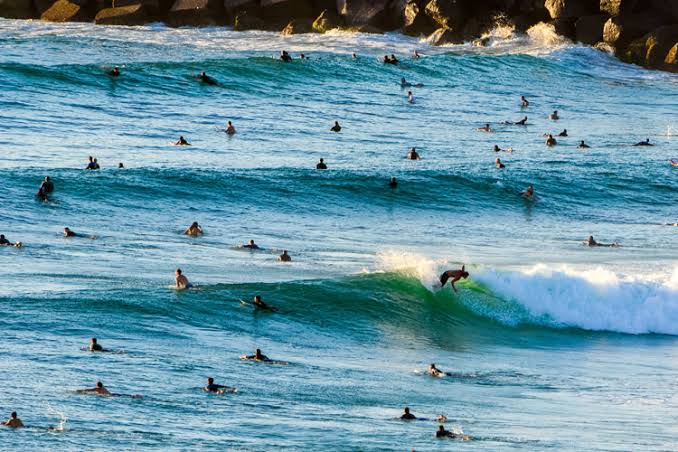
Simultaneously, crowd density at iconic reef breaks and beach breaks has increased significantly around the globe. High crowd density raises collision risks between soft-top surfboards, hard fiberglass boards, hydrofoils, and swimmers.
Modern equipment innovations, such as high-density foam boards, have lowered the barrier to entry for novice surfers. However, these same boards can cause significant blunt-force trauma during high-energy wipeouts in crowded lineups.
Conceptual Frameworks and Mental Models
Structured mental models help staff make sound decisions under pressure. Applying established risk models creates a consistent foundation for emergency management across all camp operations.
The Swiss Cheese Model of Ocean Incidents
Originally developed by Dante Reason, this model shows how safety hazards breach multiple defense layers to cause an accident. In a surf camp setting, these defense layers include:
-
Layer 1: Pre-session guest screening and fitness assessments.
-
Layer 2: Ocean condition monitoring and spot selection.
-
Layer 3: Equipment maintenance and safety checks.
-
Layer 4: In-water instructor-to-student supervision ratios.
-
Layer 5: On-shore medical preparedness and response tools.
An injury rarely stems from a single failure. Instead, it occurs when flaws across multiple operational layers line up simultaneously.
The Dynamic Triage Matrix
Field triage in remote marine environments requires quick, systematic decision-making. The Dynamic Triage Matrix prioritizes interventions based on three main variables:
-
Vulnerability: Patient’s airway stability, breathing capacity, and circulation.
-
Environmental Hazard: Incoming tides, rising swell, marine life, or sun exposure.
-
Transit Friction: The difficulty, time, and physical strain required to transport the patient to definitive care.
Staff evaluate these variables to determine whether to stabilize the patient on site or immediately begin evacuation.
The Haddon Matrix for Marine Sports
Applying William Haddon’s risk framework organizes safety actions across three distinct timeframes:
-
Pre-Event: Enforcing mandatory rash guards, running physical assessments, checking fin edges, and setting strict ocean boundary limits.
-
Event: Wearing protective headgear in high-risk zones, using quick-release leashes, and deploying immediate physical retrieval techniques.
-
Post-Event: Standardizing ocean extraction protocols, applying clean wound dressings, and initiating rapid transport systems.
Key Categories of Surf Camp Injuries
Addressing injury patterns requires a clear understanding of the common mechanical and biological hazards present in coastal environments.
Soft Tissue Lacerations
Lacerations represent the most frequent trauma in surf environments, often caused by sharp fin edges, fiberglass splinters, or shallow coral reefs. Coral cuts carry a high risk of secondary infection due to trapped biological debris and marine bacteria. Proper treatment demands immediate, thorough irrigation with clean water or sterile saline rather than simple cosmetic bandaging.
Blunt Force Trauma and Fractures
Heavy wipeouts on shallow sandbars or hard reefs can cause severe blunt-force trauma. Common injuries include facial fractures, broken ribs, and concussion-level head impacts. Collisions with uncontrolled surfboards account for a large portion of these structural injuries during peak season.
Spinal and Cervical Injuries
Navigating head-first wipeouts in shallow shorebreaks carries a high risk of cervical spine trauma. These rare but severe events require immediate, coordinated water extraction to prevent secondary damage. Instructors must master spinal stabilization techniques in breaking surf to secure the patient safely.
Marine Life Envenomation and Stings
Contact with sea urchins, stingrays, jellyfishes, and poisonous stonefish requires specialized field treatments. Stingray punctures need immediate hot-water immersion to neutralize heat-sensitive proteins in the venom. Conversely, tropical jellyfish stings require specific chemical rinses, like vinegar, to stop unfired sting cells from releasing more venom.
Environmental Hyperthermia and Hypothermia
Extended sun exposure in tropical waters can lead to severe dehydration, heat exhaustion, and heatstroke. In colder northern waters, improper wetsuit thickness combined with offshore winds can trigger hypothermia. Instructors need to recognize early physical fatigue and mental confusion before cognitive decline affects a surfer’s safety decisions in the ocean.
Tympanic Membrane Perforations
Slapping high-pressure water directly against the ear canal during a hard side-impact wipeout can rupture the eardrum. Sudden inner ear flooding causes acute disorientation, vertigo, and nausea while swimming. Instructors must identify this condition quickly to help disoriented surfers reach the surface safely.
Detailed Real-World Scenarios and Field Protocols
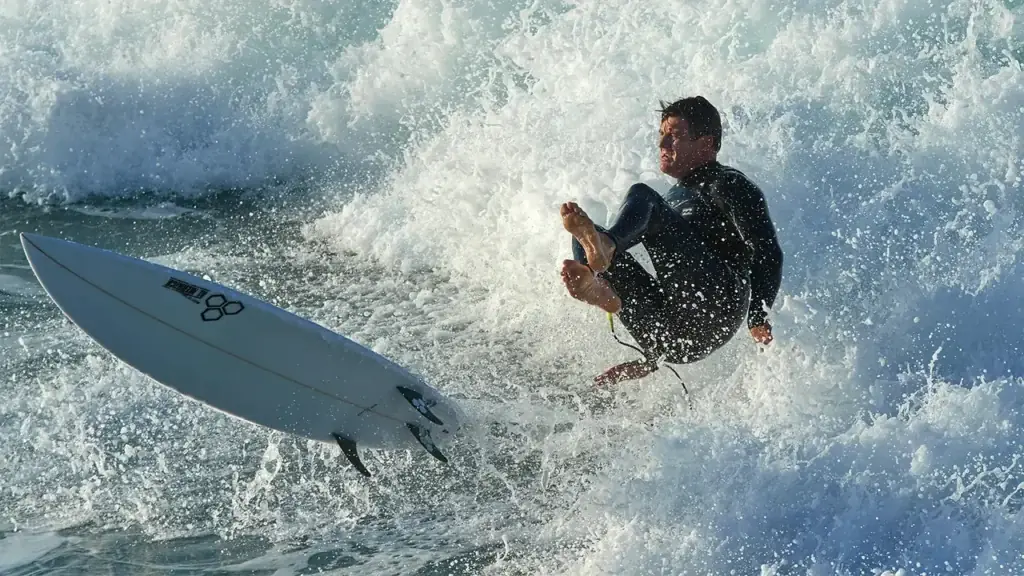
Scenario A: High-Energy Reef Impact
A guest wipes out on a shallow tidal reef during a rising swell, suffering deep lacerations to the thigh alongside mild disorientation.
Initial Stabilization
The lead instructor signals the safety watercraft to halt group activity and secure the student. The team stabilizes the limb, controls bleeding with direct pressure dressings, and navigates through the surf line without causing further impact against the reef edge.
Shoreline Assessment
Once on dry land, staff inspect the wound under clear lighting, checking for active arterial bleeding or lost nerve sensation. The team irrigates the wound using sterile saline pressurized through a syringe to wash out hidden coral fragments.
Transport Escalation
Because the deep laceration cuts through muscle tissue, staff contact the regional clinic to prepare for suturing and antibiotic treatments. The operations manager coordinates transport, providing drivers with complete medical notes detailing the incident time, wound care steps, and vital signs.
Scenario B: Shallow Water Spinal Trauma
A beginner surfer pearl-dives in shallow shorebreak, striking their head directly on a hidden sandbar. The surfer floats face down, showing limited movement in their limbs.
In-Water Extraction
The instructor approaches from behind, applying a stabilizing chin-drop or jaw-thrust technique to keep the head, neck, and torso aligned.
With support from a second instructor, the team glides a rigid backboard under the surfer, securing them firmly before moving through the shorebreak.
On-Shore Stabilization
Staff secure the patient on a flat surface, applying cervical collars and side support blocks to restrict all neck movement. The team maintains an open airway without twisting the spine, keeping the patient warm while monitoring vital signs every five minutes.
Medical Evacuation
The camp director contacts emergency medical services, providing precise GPS coordinates for helicopter or ground ambulance access. The team keeps the patient calm, clear of direct sunlight, and fully immobilized until professional paramedics assume care.
Planning, Cost, and Resource Dynamics
Operating a robust medical response system requires allocating financial and material resources effectively. Medical infrastructure should match the camp’s geographic isolation and local hazard profile.
Financial Planning Considerations
Direct investments in medical supplies represent only a small fraction of overall safety expenditures. Long-term budget planning must cover recurring staff recertifications, equipment upkeep, and local medical retainer fees. Investing in high-quality field equipment drastically reduces long-term operational liabilities and insurance costs.
Indirect Costs and Operational Friction
When an emergency occurs, standard camp operations experience temporary downtime, requiring staff reallocation and boat route diversions. Instructors pulled away from teaching duties to assist with medical evacuations leave remaining surf groups short-staffed.
Proper financial planning accounts for these operational delays, budgeting for reserve instructors during high-occupancy weeks to maintain safe student-to-instructor ratios.
Tools, Strategies, and Operational Support Systems
Having the right field equipment on hand helps staff manage severe medical situations effectively.
Marine Medical Kits
Standard household first-aid kits are inadequate for marine environments. Surf camps need custom, waterproof medical chests equipped with pressure-sealed dressings, tourniquets, irrigation syringes, suture-free skin closures, and specialized marine toxin treatments.
Oxygen Delivery Systems
Keeping portable oxygen tanks on hand helps treat drowning incidents, severe shock, and deep-water holding trauma. Staff should maintain pressurized oxygen units near active surf zones to ensure immediate delivery during respiratory emergencies.
Satellite Communication Tech
Remote coastal zones often lack reliable cellular service. Equipping lead instructors with satellite transceivers ensures constant contact with camp headquarters, emergency responders, and medical advisory services.
Rescue Watercraft and Sleds
Using Personal Watercraft (PWCs) fitted with rigid rescue sleds significantly speeds up water extractions along outer reef breaks. These motorized units allow teams to quickly pull injured surfers out of dangerous impact zones and bring them back to shore safely.
Risk Landscape and Failure Modes
Systemic failures occur when established safety operational protocols break down. Identifying vulnerabilities allows management to fix weaknesses before they cause serious incidents.
Unclear Chain of Command
During emergencies, unclear leadership leads to delayed decisions. If instructors are unsure whether to call local transport or handle care internally, valuable stabilization time is lost. Establishing clear operational hierarchies ensures fast, decisive actions.
Incomplete Guest Health Records
Failing to collect complete guest health histories can lead to misdiagnosing underlying medical events. A guest experiencing a medical episode caused by diabetes or cardiac issues may be misidentified as simple exhaustion or panic. Collecting medical declarations prior to arrival helps staff recognize hidden health conditions quickly.
Equipment Breakdown from Saltwater Corrosion
Corrosive saltwater environments rapidly degrade zipper seams, blade edges, and electronic components in safety kits. Unchecked rescue gear can easily fail during an emergency extraction. Implementing weekly gear inspection protocols keeps safety tools fully operational.
Governance, Maintenance, and Long-Term Adaptation
Maintaining high safety standards requires active operational governance, routine staff updates, and structured protocol evaluations.
Layered Operational Safety Review Checklist
To keep safety protocols up to date across all operations, management should run structured reviews at set intervals:
Continuous Protocol Updates
Medical protocols should evolve alongside changes in local coastlines and seasonal hazards. Conducting debriefs after major medical incidents highlights operational gaps and identifies areas for improvement. Updating procedures regularly ensures that safety guidelines stay practical, effective, and up to date.
Measurement, Tracking, and Evaluation
Systematically tracking safety performance converts passive incident reports into actionable operational insights.
Key Performance Indicators (KPIs)
Operators should monitor both forward-looking and historical metrics:
-
Leading Indicators: Staff training completion rates, daily gear inspection logs, pre-session briefing records, and safety drill frequency.
-
Lagging Indicators: Total incident counts, wound infection rates, transport delay times, and severity scores per hour spent in the water.
Standardized Documentation
Documenting incidents using structured, standardized forms helps track recurring hazards and operational bottlenecks over time.
Common Misconceptions and Oversimplifications
Myth 1: Basic urban first-aid training is sufficient for remote surf camps.
Correction: Urban first-aid courses assume rapid professional paramedic response times. Remote surf environments demand specialized training focused on prolonged patient care, deep wound irrigation, and complex marine extractions.
Myth 2: Soft-top surfboards remove collision injuries entirely.
Correction: While soft-top boards reduce severe laceration risks, their weight and volume can still inflict significant blunt-force trauma, concussions, and joint damage during collisions.
Myth 3: Antiseptic wipes are enough to clean marine reef cuts.
Correction: Surface wipes fail to flush out microscopic coral particles trapped deep within muscle tissue. Proper marine wound care requires pressurized irrigation using sterile saline to prevent severe secondary infections.
Myth 4: Local medical clinics will manage all evacuation logistics.
Correction: Clinics in remote regions often lack transport vehicles, advanced equipment, or medical evacuation networks. Surf camps must maintain independent emergency transport arrangements to bridge critical logistics gaps.
Myth 5: Drowning risks end once the guest reaches dry land.
Correction: Secondary or delayed drowning can occur hours after inhaling small amounts of salt water. Any guest who ingests water during a wipeout requires continuous monitoring for respiratory distress.
Ethical, Practical, and Regulatory Considerations
Camp operators face complex ethical decisions when balancing guest autonomy against professional duty of care. Guests often overstate their physical fitness or swimming abilities to join groups surfing dangerous waves. Instructors must feel empowered to restrict guests to suitable wave conditions, putting personal safety ahead of short-term guest satisfaction.
From a regulatory standpoint, international surf operations must navigate overlapping local business requirements, maritime transport laws, and liability mandates. Maintaining clear medical records, signed liability disclosures, and validated instructor certifications helps operators maintain legal compliance while maintaining high safety standards across every session.
Conclusion
Knowing how to manage surf camp injuries effectively requires building a complete operational system that integrates ocean safety, rapid triage, field stabilization, and emergency transport. Relying on basic urban first-aid assumptions leaves camps vulnerable when serious incidents occur in remote coastal environments. Modern surf operations need clear protocols, robust equipment, and continuous staff training to manage incidents safely and efficiently.
By establishing clear chains of command, maintaining custom marine medical supplies, and tracking performance metrics, operators build resilience against unpredictable ocean hazards. A disciplined approach to injury management protects guest well-being, supports camp instructors, and secures the long-term operational success of the lodge.