Common Surfing Camp Mistakes: Critical Pitfalls and Prevention Frameworks
Enrolling in an organized surf retreat is often seen as a fast path to skill progression. Commercial surf packages offer structured coaching, accommodation, and daily transportation to wave zones. However, many participants leave these programs without achieving meaningful skill improvements or enjoying their experience.
Failure during surf trips rarely stems from a single factor. Instead, poor outcomes result from overlapping missteps in preparation, seasonal timing, equipment selection, and physical readiness. When expectations conflict with actual ocean conditions, frustration quickly follows.
Analyzing these operational breakdowns helps travelers make informed choices. Avoiding predictable errors transforms a chaotic week into a structured, productive learning experience. Understanding these dynamics is essential for any surfer planning a retreat.
Understanding “Common Surfing Camp Mistakes”
Overcoming Misaligned Expectations
Identifying common surfing camp mistakes requires looking beyond basic logistical oversights. Most errors begin before arrival when participants misjudge their current physical abilities and technical skill. Beginners frequently overestimate their stamina, while intermediate surfers often misclassify their ocean competence.
When participants select programs that exceed their current abilities, progress stalls completely. High swell energy at advanced breaks quickly overwhelms underprepared surfers, causing anxiety and fatigue.
The Problem with Generalized Curriculums
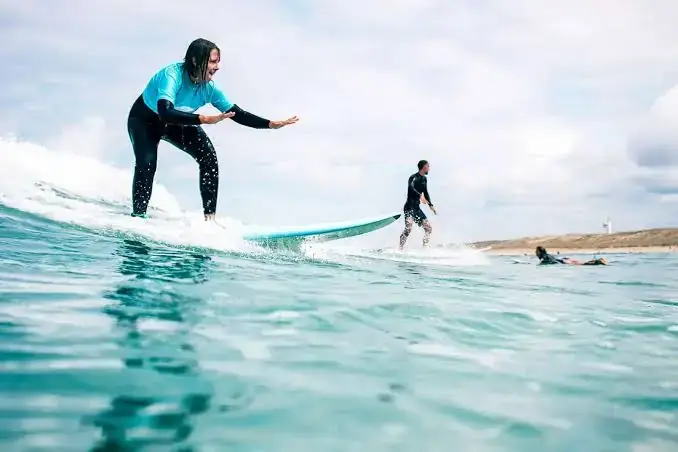
Commercial retreats often use standardized group lesson plans to maximize operational efficiency. These one-size-fits-all formats struggle to accommodate varying learning speeds and physical abilities within the same group.
Coaching teams are often forced to target the lowest common denominator. Advanced participants miss out on nuanced feedback, while absolute beginners struggle to keep up with group movements.
Physical Exhaustion and Overtraining
Surfing relies heavily on physical conditioning, paddle endurance, and core balance. Expecting to surf twice daily for a week without prior fitness preparation causes rapid physical breakdown.
Muscle fatigue typically peaks by the third day, greatly increasing injury risks. Ignoring rest cycles degrades muscle performance, turning expected progress into physical exhaustion.
Deep Contextual Background
The Evolution of Surf Tourism
Surf travel transformed from informal coastal exploration into a multi-billion-dollar global industry over recent decades. Early surf travel depended on local knowledge, rough camping, and trial-and-error forecasting.
Modern commercial resorts replaced this raw experience with standardized, all-inclusive packages. While this commercialization simplified travel logistics, it created unrealistic expectations regarding rapid skill development.
Digital Marketing versus Ocean Realities
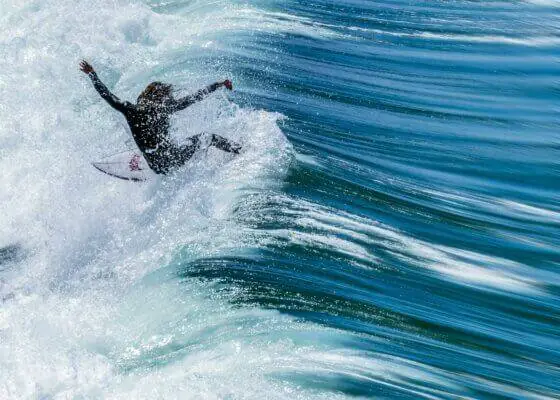
High-definition social media content and edited promotional videos present surfing as effortless, clean, and endlessly accessible. Marketing materials showcase professional surfers gliding through pristine, uncrowded waves under ideal sunlight.
These polished images rarely show heavy currents, paddle-out exhaustion, or crowded lineups. This disconnect between marketing imagery and raw ocean conditions sets up inevitable disappointment for unprepared guests.
Global Lineup Congestion
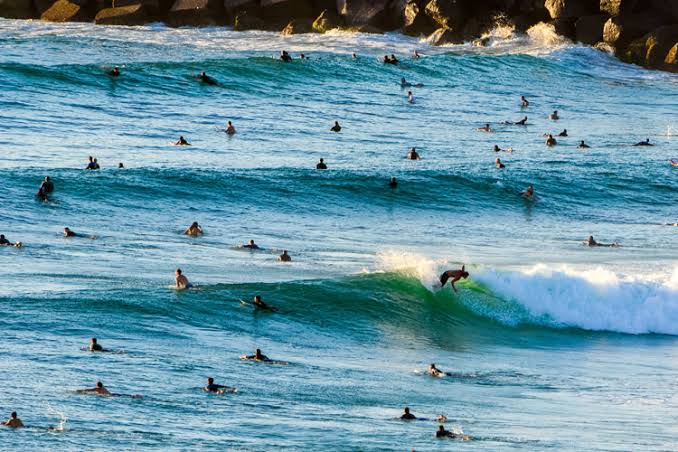
The explosive growth of surf travel has put tremendous pressure on famous coastal regions. Popular breaks across Central America, Europe, and Southeast Asia experience constant lineup congestion during peak seasons.
Surf camps operating in crowded zones face major operational challenges. Managing large student groups in overcrowded lineups strains local social dynamics and reduces individual wave counts.
Conceptual Frameworks and Mental Models
The Skill-Condition Asymmetry Model
This model compares a surfer’s technical skill against the physical difficulty of local wave conditions. Maximum skill development occurs within a narrow window where wave power slightly challenges the surfer without triggering fear responses.
Selecting a location with waves that exceed a surfer’s threshold causes defensive survival habits rather than fluid skill progression.
The Energy Expenditure Horizon
Surfing fitness relies on two distinct energy systems: sustained aerobic paddling endurance and quick explosive anaerobic popping-up power.
-
Aerobic Paddling Reserve: Sustains multi-hour ocean sessions, navigating currents, and paddling back out through broken white water.
-
Anaerobic Pop-Up Burst: Generates sudden power to match fast wave speed and execute rapid pop-ups on steep faces.
-
Recovery Deficit: Occurs when daily physical strain exceeds nightly muscle recovery, causing performance drops by mid-week.
The Seasonal Variance Matrix
Wave consistency, swell direction, wind quality, and water temperature fluctuate dramatically throughout the calendar year across all ocean basins.
Targeting peak swell seasons without the necessary technical skills leads directly to dangerous situations and lost surfing days.
Key Categories of Surfing Camp Errors
Evaluating trip mistakes requires analyzing trade-offs across distinct planning categories.
Inadequate Pre-Trip Conditioning
Arriving at a high-intensity retreat without prior aerobic and upper-body preparation causes fast physical breakdown. Paddle muscles fatigue quickly, leaving surfers unable to catch waves or clear incoming sets safely.
This fatigue ruins session quality and increases the risk of muscle strains and joint injuries.
Inappropriate Equipment Choices
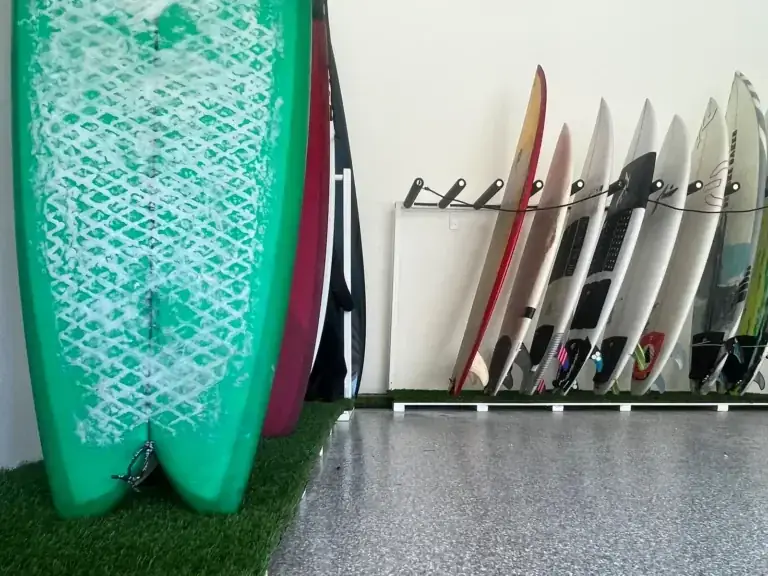
Choosing boards with insufficient volume and length is a frequent mistake among developing surfers. Low-volume boards require high paddling speeds and precise positioning, making catching waves far harder.
Surfers who choose boards matched to their actual ability catch more waves and improve faster.
Misreading Seasonal Swell Patterns
Booking trips based on personal work schedules rather than regional swell calendars often leads to poor wave conditions.
Arriving during an extreme swell season leaves beginners stuck on the beach, while visiting during flat periods frustrates advanced surfers seeking powerful waves.
Detailed Real-World Scenarios
Scenario 1: The Intermediate Wall
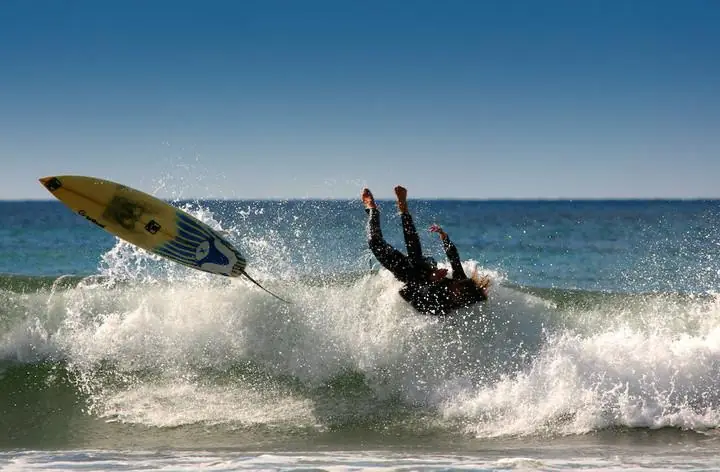
An intermediate surfer books an advanced retreat in Indonesia during peak winter swell. They can handle shoulder-high waves at home but struggle in fast, shallow reef environments.
-
Primary Constraint: High fear response caused by heavy, fast-closing reef waves.
-
Strategic Decision: Move away from the primary outer reef and target sheltered, forgiving beach breaks nearby.
-
Execution: Use higher-volume boards to catch waves earlier and build confidence before returning to steeper faces.
-
Failure Mode: Forcing takeoffs in dangerous reef conditions, resulting in wiped-out sets and broken equipment.
Scenario 2: The Physical Burnout
A busy professional books a seven-day intensive surfing program without doing any physical pre-trip training.
-
Primary Constraint: Severe muscle soreness and fatigue in shoulders and back after day two.
-
Strategic Decision: Adjust the rigid two-session daily schedule to include structured rest windows.
-
Execution: Skip morning sessions on day three, focus on gentle recovery stretching, and rejoin late afternoon tides.
-
Second-Order Effect: Adequate rest restores muscle power, allowing for better form during late-week sessions.
Scenario 3: The Oversold Group Retreat
A surfer arrives at a budget-focused camp and discovers a twenty-to-one student-to-instructor ratio in the water.
-
Primary Constraint: Minimal personal feedback and poor safety monitoring during sessions.
-
Strategic Decision: Hire an independent local surf guide for personalized video review and targeted coaching.
-
Execution: Book one-on-one afternoon sessions to receive specific feedback on popup mechanics and wave reading.
-
Failure Mode: Staying in large, unmanaged groups and picking up improper technique habits.
Planning, Cost, and Resource Dynamics
Designing a successful surf trip requires balancing expenses against training goals. The following table highlights common budget misallocations and suggested adjustments.
Evaluating Premium versus Basic Facilities
High spending on luxury resort amenities rarely translates to faster skill progress on the water. Oversized swimming pools, fine dining, and spa treatments add comfort, but they do not improve coaching quality or wave access.
Directing funds toward skilled instructors, video analysis, and proximity to breaks delivers far better technical results.
Managing Indirect Expenses and Contingencies
Unexpected expenses—such as equipment damage fees, medical treatment for reef scrapes, and last-minute transport—can disrupt tight travel budgets.
Setting aside dedicated contingency funds prevents financial stress when minor equipment breakdowns or physical setbacks occur during the trip.
Tools, Strategies, and Support Systems
Adopting specific operational strategies helps travelers avoid common mistakes during surf trips.
Independent Ocean Forecasting Analysis
Relying entirely on camp guides for daily wave reports limits a surfer’s ability to read conditions independently.
Learning to analyze raw marine forecasts—including swell period, wave height, and wind direction—allows surfers to select ideal tide windows independently.
Video Movement Analysis
Video review is one of the most effective tools for technical improvement. Surfers often misjudge their stance, body posture, and wave positioning during rides.
Analyzing high-resolution video footage reveals stance errors instantly, allowing for quick corrections during subsequent sessions.
Pre-Trip Physical Preparation Plan
Following a targeted four-week physical training plan before departure builds necessary paddle stamina and core stability:
Risk Landscape and Failure Modes
Overconfidence in Dynamic Environments
Ocean environments change constantly, bringing shifting currents, sudden wind flips, and unexpected swell surges. Entering unfamiliar lineups without assessing hazards creates serious safety risks for inexperienced surfers.
Surfers must check for rip currents, shallow reef sections, and entry/exit routes from shore before entering the water.
Navigating Local Etiquette Conflicts
Lineups operate under strict unwritten safety rules designed to prevent collisions and maintain order in the takeoff zone.
Ignoring these rules by dropping in on others or paddling through the takeoff zone causes unnecessary friction and creates unsafe conditions for everyone in the water.
Compounding Physical Injuries
Ignoring minor physical issues like tropical sun exposure, dehydration, or small reef cuts can quickly end a trip early.
Small cuts can turn into painful infections in warm ocean waters if left untreated. Addressing minor injuries immediately keeps surfers healthy and in the water.
Governance, Maintenance, and Long-Term Adaptation
Maintaining a Structured Surfing Journal
Documenting daily sessions builds a valuable reference database over time. Tracking wave types, board dimensions, tide stages, and coaching feedback helps consolidate key lessons long after the trip ends.
Recording performance details helps surfers spot recurring movement errors and track their progress accurately over multiple trips.
Adapting to Dynamic Session Conditions
Sticking rigidly to pre-planned surfing schedules often means missing ideal tide windows and clean wind transitions.
Flexible surfers adjust their daily routines around real-time ocean conditions rather than fixed clock schedules, securing better waves and quieter lineups.
Measurement, Tracking, and Evaluation
Tracking progress requires looking at clear quantitative metrics along with qualitative technical improvements.
Quantitative Metrics
-
Takeoff Success Ratio: The percentage of paddled waves successfully caught and ridden cleanly without wiping out on the drop.
-
Active Paddling Duration: Total minutes spent actively moving through water during a single ocean session.
-
Wave Catch Frequency: Total number of functional waves ridden divided by total session time.
Qualitative Signals
-
Pacing and Timing Control: Paddling smoothly into waves without chaotic last-second rushes or late drops.
-
Positioning Confidence: Reading incoming sets accurately to sit in the optimal takeoff zone without constant guide assistance.
Common Misconceptions and Oversimplifications
Myth 1: Long Trips Automatically Guarantee Rapid Progress
Believing that staying longer at a camp guarantees mastery is a common misconception. Without proper physical conditioning, long trips often lead to chronic joint fatigue and poor movement habits.
Quality instruction, focused rest, and deliberate practice matter far more than total days spent in the water.
Myth 2: Expensive Camps Always Provide Better Coaching
High package prices reflect luxury accommodation, high-end food, and marketing budgets far more than instructional quality.
Some low-cost, rustic camps deliver exceptional technical coaching, while high-end luxury resorts may rely on unaccredited guides.
Myth 3: Advanced Wave Destinations Accelerate Learning
Intermediate surfers often believe visiting famous, high-powered wave spots will force quick skill development.
In reality, overwhelming wave energy triggers self-preservation instincts, causing panic and defensive habits that delay progress.
Ethical, Practical, and Contextual Considerations
Choosing a surf retreat involves clear social and environmental responsibilities. Unregulated coastal development often strains local water systems, drives up land costs for residents, and creates waste management issues in fragile ecosystems.
Supporting eco-conscious businesses that hire local staff, respect community land rights, and manage waste responsibly helps preserve coastal communities.
Respecting local lineup dynamics and cultural norms is equally important. Entering local breaks in large, aggressive camp groups damages local relations and creates safety issues. Practicing humble lineup etiquette, keeping group sizes small, and respecting local surfers ensures positive experiences for everyone.
Conclusion
Understanding common surfing camp mistakes allows travelers to plan focused, rewarding, and safe surf trips. Avoiding major setbacks requires realistic self-assessment, targeted physical preparation, and matching locations to actual skill levels.
By prioritizing quality instruction over luxury amenities, respecting seasonal wave dynamics, and maintaining physical fitness, surfers can avoid common pitfalls. Navigating surf travel with preparation and humility leads to consistent skill progression and rewarding experiences in the water.