Luxury Surfing Camp USA Strategy: Premium Retreat Analytical Framework
High-end surf hospitality has undergone a profound transformation within the United States. Historically, surfing trips demanded physical sacrifice, primitive beach accommodations, and a willingness to accept unpredictable coastal logistics in exchange for uncrowded waves. Today, affluent travelers seek high-level coaching, private access to prime surf spots, and seamless resort amenities wrapped in a single package.
Modern luxury surf retreats combine professional ocean instruction with executive hospitality standards. These programs cater to travelers who value time efficiency, privacy, and tailored physical care alongside technical athletic instruction. The market now includes high-end oceanfront resorts, private vessel charters, and exclusive land-based wave park retreats that operate across diverse US coastlines.
Navigating this specialized travel market requires an analytical framework that looks far beyond marketing imagery and price points. High costs alone do not guarantee superior coaching quality, safe ocean access, or privacy in the water. Evaluating a premium program requires assessing local coastal mechanics, instructor certifications, custom training technology, and wellness infrastructure.
Understanding “Luxury Surfing Camp USA”
Deconstructing Premium Surf Hospitality
Evaluating a luxury surfing camp usa program requires analyzing how commercial hospitality intersects with natural ocean dynamics. Luxury in surf instruction goes far beyond high-end accommodations and fine dining. True operational excellence centers on time optimization, private access, and customized athletic instruction.
Affluent guests pay for seamless transitions between land and sea. Premium operators handle transport, equipment preparation, video review, and physical recovery, allowing guests to focus entirely on learning and wave riding.
The Misconception of Exclusive Ocean Access
A frequent misunderstanding in high-end surf travel involves the concept of wave privacy within United States territory. Federal and state laws designate coastal waters as public resources, meaning private ownership ends at the high-water line. No resort can legally purchase or restrict public access to an ocean surf break.
High-end operations bypass this legal constraint through strategic logistics rather than land ownership. Operators use private boat transfers, off-road vehicle access across private land, or real-time swell forecasting to place guests at quiet peaks before public crowds arrive.
Balancing Athletic Instruction with Hospitality
A fundamental tension exists between high-end resort service and rigorous athletic coaching. High-end hospitality prioritizes guest comfort, personal preference, and relaxed schedules. Conversely, effective ocean coaching demands strict adherence to tide windows, wind shifts, and intense physical effort.
Top-tier operators manage this balance by embedding professional athletic coaching within a flexible luxury framework. Instructors adjust daily plans based on real-time marine data while ensuring physical recovery services prevent fatigue.
Deep Contextual Background
The Evolution of High-End Surf Tourism
Surf travel in North America originated as a countercultural movement defined by low-budget road trips and basic camping along remote beaches. Early surfers accepted uncomfortable conditions as an unavoidable trade-off for finding empty, high-quality waves.
Over the past three decades, demographic shifts transformed the sport. As early surfers advanced in their professional careers, demand grew for high-end coastal travel options. Hospitality brands recognized this opportunity, developing structured retreats that paired surf instruction with five-star amenities.
The Impact of Wave Parks and Modern Technology
The arrival of commercial wave parks revolutionized high-end domestic surf instruction. Facilities utilizing advanced wave-generating technology eliminated the unpredictability of ocean tides, weather shifts, and coastal crowds.
Inland wave parks allow high-end operators to guarantee exact wave counts, customized wave shapes, and instant video feedback. This mechanical reliability appeals strongly to time-constrained executives seeking rapid skill progress.
Regulatory Standards and Land-Use Rules
Operating a high-end surf retreat within the United States requires navigating complex legal and environmental regulations. Operators must secure commercial permits from state park agencies, local municipalities, and coastal commissions.
These regulatory frameworks enforce strict safety protocols, environmental protection standards, and staff certification requirements. Top-tier domestic programs maintain comprehensive insurance coverage and employ certified lifeguards, setting high operational standards across the industry.
Conceptual Frameworks and Mental Models
The Friction Reduction Index
This model evaluates a retreat’s performance by measuring how effectively it removes non-surfing obstacles from the guest experience.
Reducing travel delays, equipment prep, and crowd friction maximizes functional ocean time and accelerates technical progress.
The Controlled Environment Progression Model
This framework categorizes instructional settings along a spectrum of environmental predictability, balancing dynamic ocean skills against controlled mechanical feedback.
-
Fully Dynamic Ocean: Raw beach breaks requiring deep swell-reading skills, heavy paddling stamina, and crowd positioning tactics.
-
Semi-Controlled Coastal Setup: Sheltered point breaks or boat-accessed reefs offering predictable wave shapes with manageable ocean currents.
-
Fully Controlled Wave Park: Mechanical wave basins delivering consistent wave speeds, identical takeoffs, and immediate shore-based coaching.
The Integrated Recovery Framework
High-intensity water sessions cause rapid physical fatigue, particularly for guests unaccustomed to daily paddling strain.
Integrating professional physical therapy, cold-water immersion, and tailored nutrition into daily schedules prevents mid-week exhaustion and keeps performance high.
Key Categories of High-End Surf Operations
Evaluating high-end domestic surf retreats requires assessing the distinct operational models available across US coastlines.
Oceanfront Luxury Resorts
Situated in iconic coastal destinations like Maui, Kauai, and Santa Barbara, these retreats pair five-star hotel amenities with private surf instruction.
Guests enjoy direct beach access, dedicated concierge support, and fine dining. However, operating along popular coastlines means instructors must navigate public crowd dynamics during peak morning hours.
Private Wave Park Academies
Utilizing inland wave facilities, these specialized academies deliver unmatched technical coaching.
Instructors use two-way radio helmets, multiple camera angles, and adjustable wave parameters to refine guest technique. These retreats offer exceptional learning speed, though they lack the dynamic ocean-reading elements of open water surfing.
Helicopter and Overland Safaris
Operating along rugged northern coastlines, these high-end expeditions target pristine, untouched waves.
Travelers use private helicopters or luxury off-road vehicles to access isolated breaks. While offering total privacy and stunning natural scenery, these trips demand high physical fitness and cold-water resilience.
Detailed Real-World Scenarios
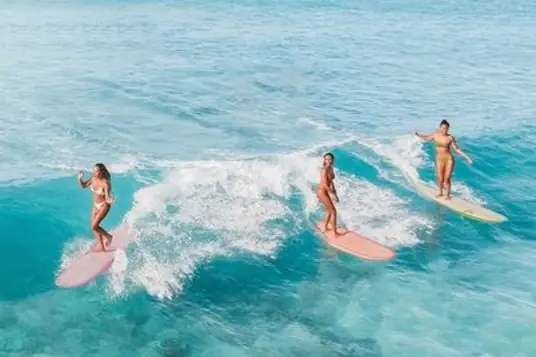
Scenario 1: The Executive Skill Plateau
An intermediate surfer with limited vacation time wants to refine their turn mechanics without wasting days hunting swells at crowded beach breaks.
-
Primary Constraint: Strict time limits combined with low wave counts at crowded public spots.
-
Strategic Decision: Reserve a private coaching block at a high-end inland wave park.
-
Execution: Complete thirty identical wave rides daily, using radio headsets for real-time stance corrections.
-
Failure Mode: Sticking to crowded public breaks, resulting in low wave counts and uncorrected movement errors.
Scenario 2: The Family Multi-Sport Getaway
A family with varying athletic abilities seeks a coastal vacation that offers professional surf instruction alongside luxury resort amenities.
-
Primary Constraint: Differing physical fitness levels and interest in non-surfing activities.
-
Strategic Decision: Book a private oceanfront estate in Hawaii offering tailored, two-to-one instructional teams.
-
Execution: Beginners learn in gentle, sandy-bottom coves while advanced family members take private boat launches to outer breaks.
-
Second-Order Effect: Individualized schedules ensure every family member progresses safely without compromising overall vacation comfort.
Scenario 3: The Cold-Water Wilderness Expedition
An experienced surfer seeks complete solitude along the Pacific Northwest coast, opting for a luxury mobile overland retreat.
-
Primary Constraint: Harsh weather shifts, thick wetsuits, and hazardous ocean conditions.
-
Strategic Decision: Deploy a custom off-road vehicle fleet equipped with heated changing quarters and satellite communication.
-
Execution: Time daily sessions using local microclimate forecasts, targeting sheltered points away from open ocean swells.
-
Failure Mode: Underestimating thermal stress, leading to early physical fatigue and missed wave windows.
Planning, Cost, and Resource Dynamics
High-end surf travel requires substantial financial investment. The following matrix outlines typical expense distributions across premium domestic retreat styles.
Analyzing High-End Package Value
Evaluating costs requires separating true instructional value from hospitality markups. High package rates often cover fine dining, spa facilities, and exclusive real estate rather than specialized ocean coaching.
Travelers seeking rapid technical progress should ensure a significant portion of their investment funds certified instructors, small student ratios, and high-quality video analysis systems.
Managing Seasonal Pricing Shifts
Domestic travel pricing fluctuates significantly across high-summer periods and shoulder seasons. Resort rates in Southern California and Hawaii peak during holiday windows, driving up lodging costs and crowding local lineups.
Booking during shoulder seasons offers lower rates, smaller class sizes, and better wave consistency, though cooler water temperatures may require thicker wetsuits.
Tools, Strategies, and Support Systems
Top-tier surf retreats utilize specialized technology and support systems to maximize guest safety and athletic progress.
Biomechanical Video Capture and Analysis
High-resolution video capture forms the foundation of modern technical surf coaching. Shore-mounted high-definition cameras capture every ride, feeding footage into specialized analysis software.
Instructors break down stance width, center of gravity, and eye focus, allowing guests to visualize movement adjustments before heading back into the water.
On-Water Radio Headsets
Waterproof, two-way radio headsets attached to helmets transform in-water coaching. Instructors provide real-time guidance as waves approach, correcting paddle timing, entry angle, and pop-up speed.
This immediate feedback loop eliminates trial-and-error guesswork, helping guests catch more waves with proper form.
Custom Pre-Trip Conditioning Plans
Leading retreats provide personalized fitness programs weeks before guests arrive:
Risk Landscape and Failure Modes
Mismatched Fitness and Ocean Expectations
A primary failure mode in luxury surf travel occurs when high-end hospitality masks the physical demands of the ocean. Guests sometimes assume that luxury pricing removes the need for physical effort.
Surfing demands paddling endurance, core balance, and swimming stamina. Arriving underprepared leads to rapid fatigue, technical frustration, and heightened safety risks.
Managing Coastal Environmental Hazards
Dynamic ocean environments present inherent hazards regardless of package pricing. Shifting currents, submerged reef structures, and sudden weather changes require constant vigilance.
Top-tier operations mitigate these risks by conducting detailed pre-session safety briefings, maintaining high lifeguard-to-student ratios, and carrying full emergency medical gear.
Navigating Local Lineup Etiquette
Commercial surf groups can create tension when entering crowded public lineups. Dropping in on local surfers or blocking takeoff zones leads to unpleasant conflicts.
Responsible high-end operators avoid crowded peaks, respect local right-of-way rules, and teach guests proper lineup etiquette to ensure safe, enjoyable sessions.
Governance, Maintenance, and Long-Term Adaptation
Maintaining Personal Skill Development Logs
Sustaining progress beyond a retreat requires clear personal tracking. Surfers should keep structured journals documenting board dimensions, coaching feedback, wave types, and video review insights.
Reviewing these records before future sessions prevents sliding back into old movement habits.
Adapting to Modern Training Facilities
The growth of wave park technology across North America provides new ways for golfers and surfers to maintain skills year-round.
Combining seasonal ocean trips with targeted wave pool coaching creates a highly effective, long-term training model for surfers living inland.
Measurement, Tracking, and Evaluation
Evaluating a luxury surf retreat requires tracking clear quantitative performance metrics alongside qualitative skill improvements.
Quantitative Metrics
-
Unassisted Takeoff Success Rate: The percentage of waves caught cleanly through self-directed paddling without instructor assistance.
-
Functional Ride Duration: Total seconds spent standing and executing turns on open wave faces per session.
-
Wave Catch Frequency: Total quality rides completed per hour of water time.
Qualitative Signals
-
Ocean Reading Autonomy: The ability to identify quality wave shapes and avoid closing-out sections independently.
-
Lineup Composure: Maintaining calm breath control and clear spatial awareness in congested or challenging wave conditions.
Common Misconceptions and Oversimplifications
Myth 1: Higher Package Prices Guarantee Better Waves
Assuming that expensive retreats can guarantee perfect wave conditions is a major misconception. Ocean swells depend entirely on global weather patterns, wind shifts, and tidal cycles.
While luxury retreats offer superior transport, lodging, and recovery amenities, they operate under the same ocean conditions as any other surf school.
Myth 2: Luxury Retreats Are Only for Experienced Surfers
Many beginners assume high-end surf camps cater exclusively to advanced athletes. In reality, luxury retreats excel at teaching beginners by providing one-on-one safety ratios, long soft-top boards, and gentle wave selection that builds confidence safely.
Myth 3: Wave Parks Eliminate the Need for Ocean Training
While wave parks provide exceptional technical repetition, they cannot replicate dynamic ocean environments. Ocean surfing requires reading shifting swells, handling rip currents, and positioning within public lineups.
Wave pools serve as excellent technical laboratories, but they complement rather than replace open water experience.
Ethical, Practical, and Contextual Considerations
High-end surf tourism carries environmental and social responsibilities. Large commercial operations can strain local coastal infrastructure, overcrowd public beach breaks, and disturb fragile coastal ecosystems.
Responsible operators minimize their impact by employing local staff, enforcing strict waste management practices, and supporting ocean conservation initiatives.
Respecting local community dynamics is equally important. Bringing private boat launches or large student groups into sensitive local lineups creates unnecessary friction.
Practicing respectful lineup etiquette, keeping group sizes small, and supporting local businesses ensures sustainable, positive travel experiences for everyone involved.
Conclusion
Selecting a luxury surfing camp usa program requires evaluating how premium amenities, technical coaching, and natural ocean mechanics align with personal goals. High-end surf travel has evolved from basic coastal road trips into a sophisticated industry blending professional athletic coaching with executive hospitality standards.
By looking beyond marketing claims, prioritizing certified coaching, and understanding local coastal conditions, travelers can choose a program that delivers genuine skill progress. Whether utilizing mechanical wave parks or exploring remote ocean coastlines, a well-designed retreat provides deep technical progression, physical recovery, and an unforgettable ocean experience.