Common Surfing Gear Mistakes: Equipment Failure Prevention
Selecting ocean hardware involves balancing personal biomechanics, hydrodynamics, and local wave profiles. Equipment choices influence paddling efficiency, wave-catching frequency, and overall safety. Mistakes in equipment selection often slow athletic progression without the surfer realizing the root cause.
Surfers frequently attribute performance plateaus to physical limitations or poor technique. In reality, mismatched board volume, incorrect fin flex, or ill-fitting wetsuits create unnecessary physical drag. Identifying these equipment misalignments helps restore natural movement and improves wave riding performance.
A methodical audit of surfboard design, neoprene thermal thickness, leash durability, and fin foil mechanics reveals hidden performance bottlenecks. Fixing these equipment errors restores natural balance and prevents premature physical fatigue.
Addressing hardware issues requires evaluating physical materials, local wave mechanics, and skill progression. Proper gear management ensures equipment performs reliably across diverse ocean conditions.
Understanding Common Surfing Gear Mistakes
Evaluating common surfing gear mistakes involves examining hydrodynamics, material science, and body mechanics rather than relying on brand reputation or aesthetic preferences.
Volume Mismatches and Hydrodynamic Resistance
Board displacement must match a surfer’s weight, paddling power, and local wave energy. Insufficient volume causes the tail to sink, increasing paddling drag and missing wave takeoffs.
Conversely, excessive volume prevents the rail from penetrating the wave face, limiting turning control in steep conditions.
Biomechanical Strain from Wetsuit Errors
Ill-fitting neoprene limits shoulder rotation during paddling, leading to premature upper-body fatigue. Loose wetsuits allow water to flush through the suit, draining body heat during cold sessions.
Fin Foil and Cant Configuration Conflicts
Foil Dynamics and Lift
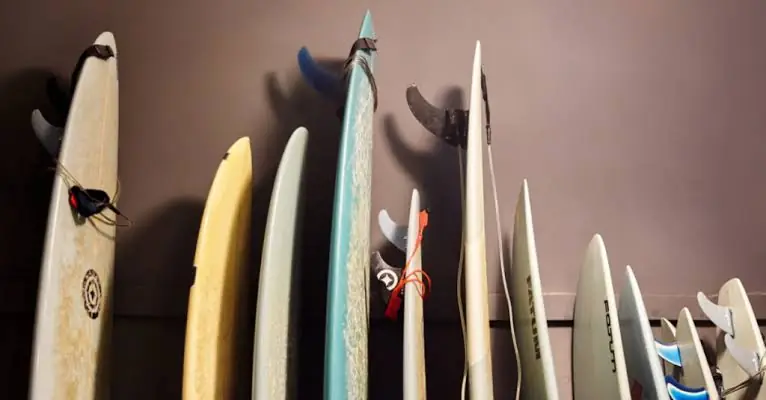
Riding stiff carbon fins in soft, weak waves prevents smooth turns. Soft plastic fins flex excessively in powerful surf, causing a loss of drive and board control.
Fin Box Cant Adjustments
Incorrect cant angles change how water flows past the fins, causing unpredictable drag during rail-to-rail transitions.
Leash Integrity and Rail Saver Setup
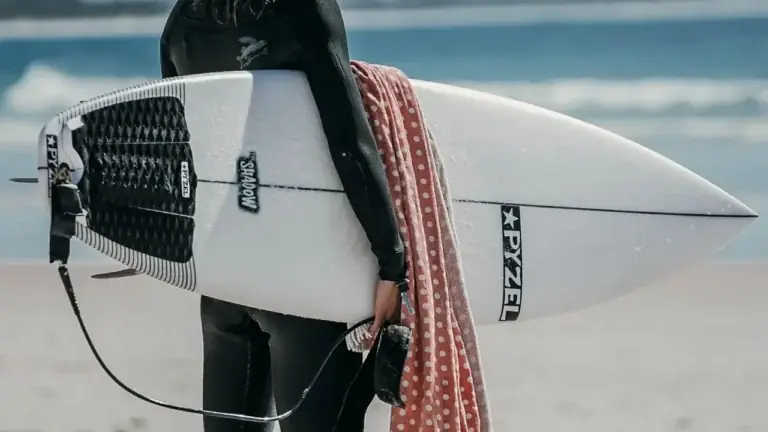
Attaching a thin leash to a heavy longboard risks snapping the cord under tension. Setting the rail saver too short allows the string to cut into the tail fiberglass during heavy wipeouts.
Misinterpreting Equipment Feedback
Surfers often mistake lack of wave catch rate for poor physical conditioning. In reality, inadequate foam distribution in the chest area often prevents the board from planing efficiently while paddling.
Another frequent error is assuming high-performance boards automatically accelerate progression. Stepping down in board size too early degrades stance stability and reduces total wave riding time.
Deep Contextual Background
Historically, surfing equipment selection relied primarily on trial and error, local shaping traditions, and subjective rider feedback.
The Experimental Shaping Era
Mid-twentieth-century surfers rode solid wood or early foam boards with glassed-on single fins. Equipment adjustments were permanent, forcing riders to adapt their technique to the board’s fixed shape.
Wetsuits were crude and stiff, providing minimal thermal protection while restricting upper-body paddling motion.
Standardization and Removable Fin Systems
The introduction of standardized fin boxes in the 1990s allowed surfers to swap fins easily. This modular shift encouraged experimentation with different fin templates, foils, and base flex patterns.
Synthetic neoprene materials also improved, yielding lighter, warmer, and more flexible suits for cold-water sessions.
Computer-Aided Design and Precision Manufacturing
Modern surfboard design uses CAD software and CNC cutting machines to replicate board volume distribution precisely. Hydrodynamic research guides fin foil designs, rail outlines, and rocker curves.
Understanding these design advances helps surfers select equipment tailored to their body weight, fitness level, and local wave conditions.
Conceptual Frameworks and Mental Models
Analyzing gear selection requires clear mental models to evaluate hydrodynamic lift, material flex, and physical leverage.
1. The Volume-to-Displacement Ratio
This model calculates ideal surfboard foam displacement relative to body mass and ocean conditions:
Skill multipliers range from 2.0 for advanced surfers to 4.0 for beginners. Ignoring wave power leads to under-paddling in soft surf or over-paddling in heavy breaking waves.
2. The Equipment Friction Model
Evaluating hardware performance requires assessing three primary points of physical friction:
Key Categories or Variations
Gear errors fall into six major categories, each creating specific performance issues and safety risks.
1. Surfboard Rocker and Volume Distribution Errors
Choosing flat rockers for steep, hollow waves or heavy entry rockers for weak, flat surf.
-
Strengths: Matches board curvature to wave face shape for smooth entry.
-
Trade-offs: Flat rockers pearl easily in steep drops, while heavy rockers slow paddling speed.
2. Fin Template, Foil, and Flex Mismatches
Pairing stiff, upright fins with wide-tail boards in small, mushy wave conditions.
-
Strengths: Stiff fins provide stability in large, fast waves.
-
Trade-offs: Stiff fins feel rigid and slow in small, weak surf.
3. Wetsuit Thickness and Fit Selections
Wearing oversized neoprene or choosing summer-weight suits in cold-water environments.
-
Strengths: Proper suit thickness preserves core body heat during long sessions.
-
Trade-offs: Thick neoprene increases shoulder fatigue during paddling.
4. Leash Length, Thickness, and Maintenance Neglect
Using worn, thin competition leashes on heavy boards in large breaking waves.
-
Strengths: Thin leashes drag less through the water.
-
Trade-offs: Thin cords snap under tension, leaving surfers without board flotation.
5. Traction Pad Placement and Deck Grip Errors
Sticking traction pads too far forward from the leash plug, away from the rear fin box.
-
Strengths: Proper pad placement provides leverage directly over the rear fins for sharp turns.
-
Trade-offs: Forward pad placement prevents back-foot leverage on turns.
6. Wax Formula and Application Mistakes
Applying warm-water wax in cold oceans or skipping base-coat wax applications.
-
Strengths: Correct wax formulas ensure reliable foot traction without slick spots.
-
Trade-offs: Wrong wax formulas slick over in cold water, causing foot slippage during takeoffs.
Gear Category Impact Comparison
Detailed Real-World Scenarios

Scenario A: Troubleshooting a Stagnant Intermediate Surfer
An intermediate surfer struggles to catch soft beach-break waves on a narrow, low-volume shortboard.
Switching to a higher-volume board restores paddling speed, catching more waves per hour.
Scenario B: Correcting Cold-Water Wetsuit Flushing
A surfer experiences rapid core heat loss during winter sessions due to a loose neck seal on a full wetsuit.
Water Flushing Identification
The surfer feels cold ocean water flushing through the chest panel during duck-dives, draining thermal warmth quickly.
Suit Sizing and Seal Adjustment
The surfer switches to a chest-zip suit with a snug neck collar and liquid-taped seams, preventing cold water flushing.
Planning, Cost, and Resource Dynamics
Budgeting for surfing hardware requires balancing board costs, wetsuit care, and routine accessory replacements.
Hardware Investment Ranges
Tools, Strategies, and Support Systems
Selecting the right equipment relies on digital volume calculators, physical measurements, and routine gear maintenance.
Hardware Assessment Tools
-
Digital Volume Calculators: Estimates target board volume based on surfer weight, age, fitness, and wave type.
-
Fin Foil Gauges: Measures fin cant angles, base width, and depth to fine-tune turning drive.
-
Neoprene Care Rinses: Removes salt crystals and bacteria to preserve wetsuit seam elasticity.
Accessory Support Systems
-
Heavy-Duty Rail Savers: Protects tail fiberglass from leash string damage under heavy wave tension.
-
Wax Combs and Strippers: Removes old, hardened wax to prepare decks for fresh traction coats.
-
Padded Travel Board Bags: Prevents fiberglass dings during airport transit and vehicle transport.
Risk Landscape and Failure Modes
Equipment errors can cause board damage, physical exhaustion, or lost flotation in heavy ocean conditions.
Primary Hardware Risk Taxonomy
-
Fiberglass Rail Cracks: Short rail savers allow thin leash strings to crush tail fiberglass during wipeouts.
-
Fin Box Snap Out: Forcing oversized fins into shallow fin boxes damages internal box casings.
-
Leash Strain Failure: Using old, sun-damaged leashes risks snapping cords in heavy currents.
Preventing these equipment failures requires inspecting gear regularly, flushing accessories with fresh water, and replacing worn items promptly.
Governance, Maintenance, and Long-Term Adaptation
Preserving hardware reliability requires systematic maintenance routines and seasonal equipment audits.
Hardware Maintenance Checklist
Post-Session Rinse Protocols
Rinse wetsuits, fin boxes, and leash swivels with cool fresh water after every session to wash away corrosive salt crystals.
Pre-Surf Equipment Audits
Check leash cords for small cuts, inspect fin screws for thread wear, and search board fiberglass for open dings before entering the water.
Seasonal Gear Adjustments
Update wax formulas for seasonal water temperature changes and swap fin templates as wave power shifts throughout the year.
Measurement, Tracking, and Evaluation
Tracking equipment performance involves recording wave catch frequency, paddling comfort, and hardware wear.
Key Performance Metrics
-
Takeoff Success Percentage: Successful wave takeoffs divided by total paddling attempts.
-
Session Thermal Duration: Total time spent in the water before cold air or water causes physical shivering.
-
Leash Cord Strain Rating: Checking cord elasticity and swivel rotation smoothness every six months.
-
Board Repair Cycles: Tracking ding repair frequency to evaluate structural board durability.
Common Misconceptions and Oversimplifications
Myth 1: “Riding Smaller Boards Accelerates Skill Progression”
Reality: Board sizes that are too small reduce wave catch rates and compromise stance balance, slowing overall skill development.
Myth 2: “All Fin Systems Perform Identically in All Waves”
Reality: Fin foils, bases, and flex profiles alter board drive, turning radius, and hold in different wave conditions significantly.
Ethical, Practical, or Contextual Considerations
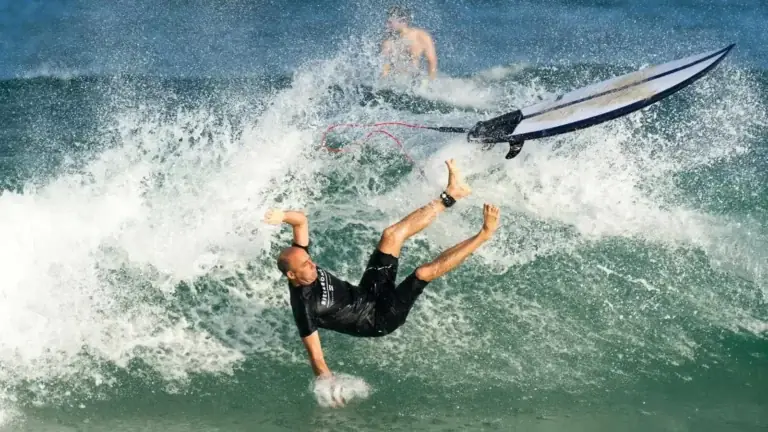
Using reliable equipment promotes ocean safety for everyone in the lineup. A snapped leash or loose board can hit nearby surfers, causing physical injuries or gear damage.
Maintaining gear integrity, using soft-top boards in crowded beginner zones, and checking equipment regularly helps keep the lineup safe for all watermen and waterwomen.
Conclusion
Understanding common surfing gear mistakes requires analyzing surfboard volume, fin mechanics, wetsuit fit, and leash durability carefully. Hardware choices directly influence paddling speed, wave catching, and physical safety in dynamic ocean conditions.
Routinely auditing gear condition, matching board volume to skill level, and caring for wetsuits and accessories preserves long-term athletic performance. A systematic approach to equipment selection ensures surfers build confidence, stay safer, and enjoy wave riding for decades to come.