Best Ocean Camp in the US: Evaluation & Selection Matrix
Navigating the landscape of coastal educational programs requires a clear framework that weighs environmental exposure, instructional rigor, and risk management protocols. Ocean-based residential and day programs span vast geographic environments across the United States.
A facility nestled within the protected estuarine waters of Puget Sound provides an experience distinct from an outpost navigating high-energy surf lines off the Outer Banks. Evaluating these offerings demands an investigation into pedagogical structure, vessel safety standards, and local ecological exposure.
Parents, guardians, and adult participants face a market filled with glossy imagery and standardized promises of marine discovery. Beneath promotional narratives lie critical differences in operational capacity. Staff qualifications, emergency response infrastructure, and student-to-instructor ratios vary significantly across states.
Identifying a superior program requires looking beyond superficial amenities. Families must evaluate how an institution balances technical marine science education, wilderness risk mitigation, and personal skill development in dynamic marine settings.
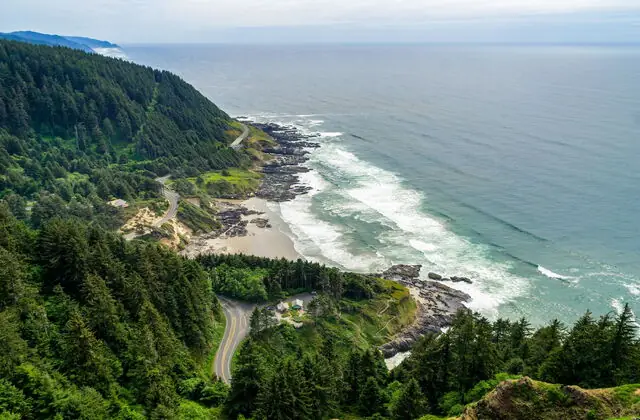
Determining the ideal ocean program involves examining regional bathymetry, water temperature profiles, and environmental hazards. Programs operating along the Pacific Northwest coast face colder water temperatures and complex tidal currents that require heavy exposure gear and specialized seamanship instruction.
Conversely, Atlantic tropical programs emphasize coral reef ecology and open-water navigation. Analyzing these technical nuances ensures participants encounter educational settings matched to their physical capabilities, safety requirements, and academic goals.
Understanding the Best Ocean Camp in the US
Determining what constitutes the best ocean camp in the us requires evaluating instructional depth, risk management protocols, and regional environmental access rather than relying on promotional marketing.
Analytical Evaluation Dimensions
Assessing a coastal educational program requires balancing three core operational domains:
-
Pedagogical Integrity: The presence of a structured, field-tested curriculum that integrates hands-on marine biology, oceanography, and practical seamanship.
-
Safety Infrastructure: Maintaining certified United States Coast Guard (USCG) vessel captains, certified ocean lifeguards, and explicit medical response protocols.
-
Ecological Access: Choosing programs with access to diverse marine ecosystems, such as kelp forests, estuaries, coral reefs, or barrier islands.
Technical Assessment Criteria
Safety Standards
Operational standards must be verified through official certifications rather than self-reported statements. Programs should hold active permits from municipal, state, or national park authorities.
Staff Credentials
Instructors should possess academic degrees in marine sciences or environmental education, supplemented by active wilderness medical training.
Common Misunderstandings and Oversimplification Risks
A common mistake occurs when families equate resort-style accommodations with superior educational programming. High-end dining facilities and private cabins do not guarantee qualified marine biologists or experienced vessel captains.
Another frequent oversimplification involves judging a program solely by its coastal location rather than its actual water time and field access. A camp near a famous beach may spend significant time in classroom settings rather than conducting active marine research.
Deep Contextual Background
Coastal educational programs in the United States evolved from informal summer recreation camps into specialized marine science academies and wilderness expedition programs.
The Early Era of Coastal Recreation
In the early twentieth century, coastal camps functioned as seasonal recreational retreats focused on basic swimming, sailing, and beach activities. Operational oversight was minimal, and instruction relied on informal mentorship rather than structured environmental science curricula.
Ocean safety depended largely on basic swimming ability rather than organized lifeguard systems or formal risk management frameworks.
The Environmental Education Movement
The passage of major environmental legislation during the 1970s sparked interest in marine conservation and ecological literacy. Coastal programs began adopting structured environmental science modules, partnering with local universities and aquariums to deliver applied fieldwork.
This era introduced standardized safety guidelines, formalized lifeguard certifications, and introduced specialized research gear to youth programs.
Modern Marine Academies and Field Stations
Over the last thirty years, rising liability standards, advances in oceanographic technology, and increased academic competition transformed the industry. Modern ocean programs operate as specialized field research stations equipped with acoustic telemetry, underwater drones, and research vessels.
Current facilities integrate rigorous risk management protocols with collegiate-level oceanographic research, establishing higher standards for youth science education.
Conceptual Frameworks and Mental Models
Evaluating coastal educational programs requires analytical frameworks to assess educational depth, risk exposure, and participant engagement.
1. The Marine Risk-Exposure Spectrum
This framework measures how environmental intensity interacts with participant experience and physical capability across distinct coastal zones.
Novice participants build foundational aquatic skills and ecological knowledge in sheltered estuaries before transitioning to dynamic open-ocean environments.
2. The Fieldwork Integration Equation
Educational retention in field science depends on balancing theoretical instruction with direct physical interaction:
Reducing group sizes and increasing direct research vessel time significantly improves student engagement and analytical understanding.
3. The Layered Risk Mitigation Model
Managing ocean environments requires isolating hazards through multiple operational layers:
-
Layer 1 (Pre-Departure Screening): Assess physical swimming endurance, medical history, and environmental readiness.
-
Layer 2 (Equipment Safeguards): Require properly fitted USCG-approved personal flotation devices, wetsuits, and thermal gear.
-
Layer 3 (Real-Time Monitoring): Deploy dedicated surface support vessels and maintain strict staff-to-student ratios during water operations.
Key Categories and Operational Variations
Coastal ocean camps in the United States fall into six primary operational categories, each serving specific academic interests, physical abilities, and budgetary constraints.
1. Residential Marine Science Academies
Academic institutions offering lab-based research, vessel-based data collection, and university-level coursework on dedicated coastal campuses.
-
Strengths: Rigorous academic training, access to advanced lab equipment, university credit options.
-
Trade-offs: High tuition costs, structured daily schedules with limited recreational free time.
2. Island-Based Wilderness Outposts
Off-grid facilities located on isolated islands that combine marine conservation with primitive camping and outdoor survival skills.
-
Strengths: Total immersion in coastal ecosystems, strong focus on self-reliance and teamwork.
-
Trade-offs: Basic living conditions, limited freshwater access, complex medical evacuation paths.
3. Vessel-Based Sailing and Research Expeditions
Mobile marine programs operating aboard large sailing vessels where participants live, navigate, and conduct research while underway.
-
Strengths: Practical seamanship instruction, dynamic ocean navigation experience, high team cohesion.
-
Trade-offs: Confined living quarters, risk of seasickness, strict physical entry requirements.
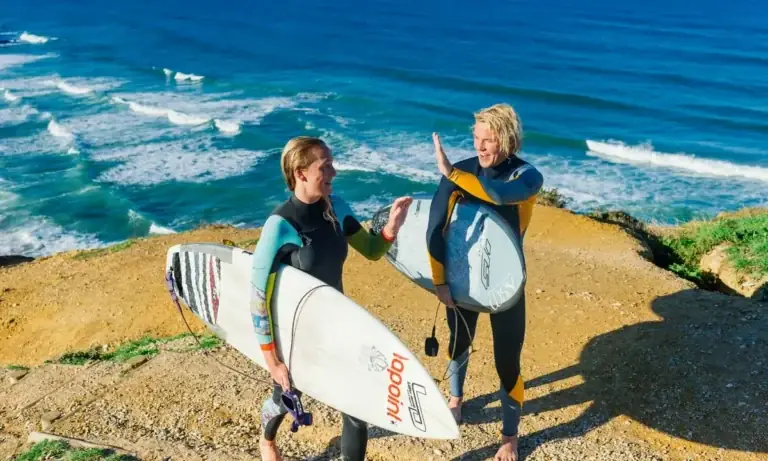
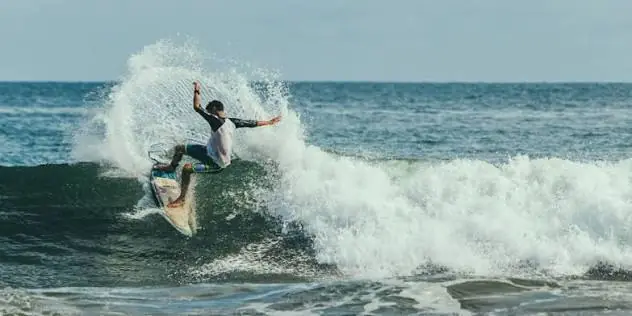
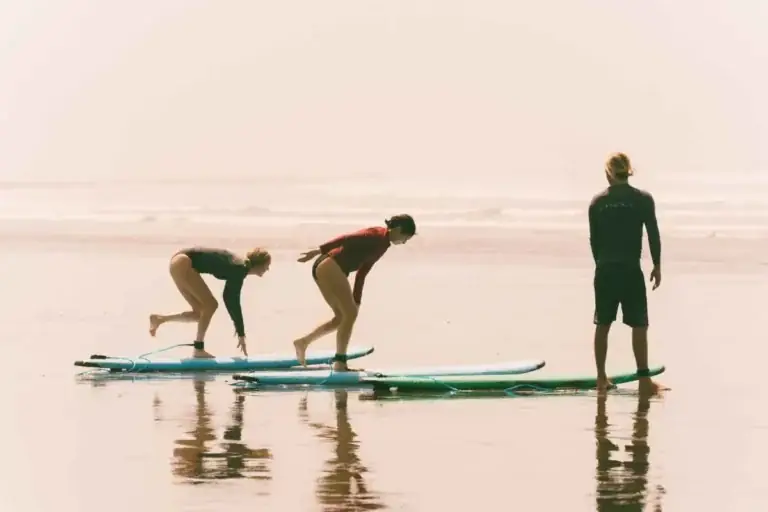
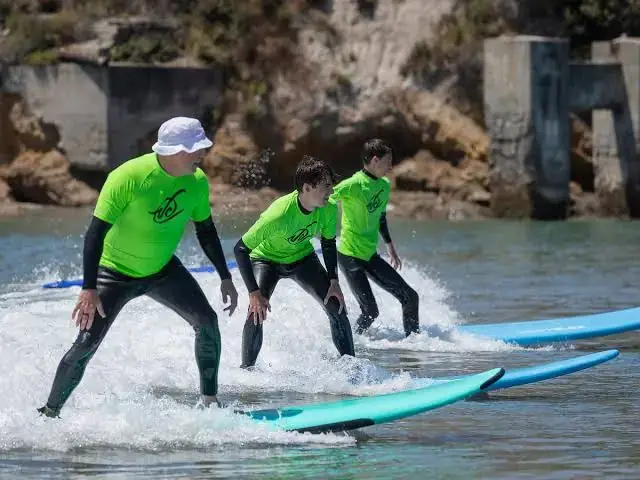
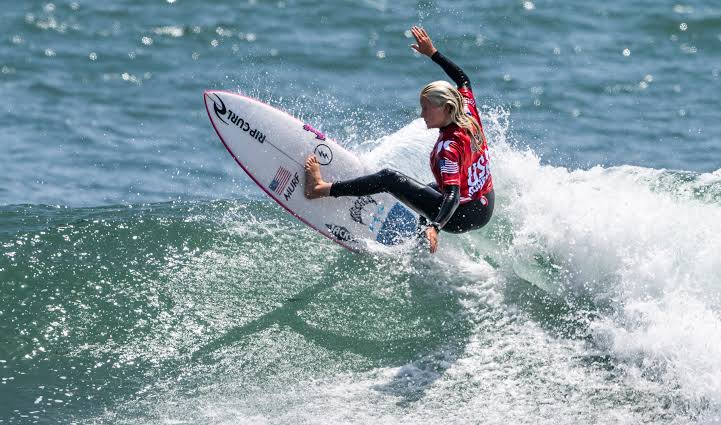
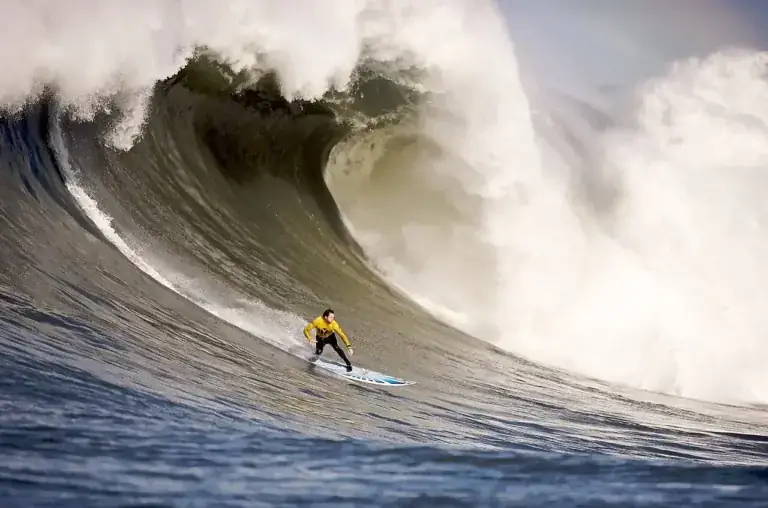
4. Coastal Surf and Ocean Safety Camps
Water-sports-focused facilities emphasizing surf mechanics, oceanography, wave reading, and open-water lifeguard skills.
-
Strengths: Excellent physical conditioning, strong focus on wave mechanics and ocean safety.
-
Trade-offs: Less emphasis on academic marine science and formal laboratory research.
5. Estuarine and Wetland Ecology Day Programs
Community-focused facilities offering non-residential education centered on tidal marsh systems, coastal restoration, and local fisheries.
-
Strengths: Affordable tuition, low risk profile, accessible for younger age groups.
-
Trade-offs: Limited night-time ecological study options, requires local lodging for traveling families.
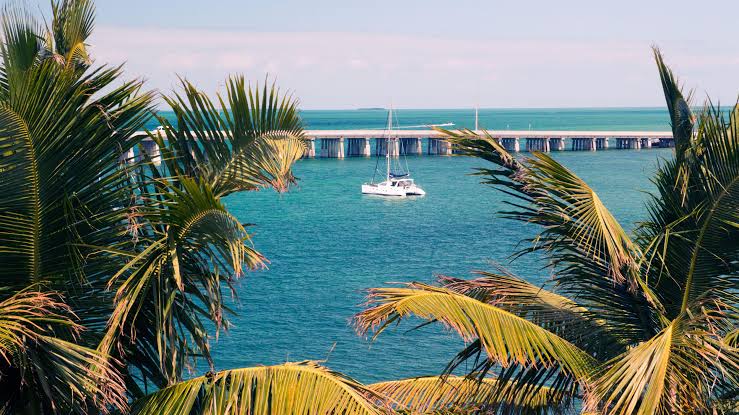
6. SCUBA and Coral Reef Conservation Programs
Specialized warm-water facilities offering dive certifications alongside coral restoration and marine megafauna research.
-
Strengths: Direct underwater research access, professional dive credentialing, high-engagement fieldwork.
-
Trade-offs: Requires medical clearance, higher gear costs, limited to tropical or subtropical regions.
Program Category Comparison Matrix
Detailed Real-World Scenarios
Scenario A: The High School Student Pursuing Marine Biology Majors
A seventeen-year-old student seeks an intensive academic environment to build a competitive portfolio for university marine science admissions.
The student enrolls in a residential marine science academy located in Maine or California. Daily activities involve deploying research equipment from motor vessels, analyzing water samples in laboratories, and drafting a formal research paper.
Scenario B: The Novice Participant Seeking Water Confidence
A twelve-year-old participant with basic swimming ability wants to explore ocean environments but feels hesitant in deep water or breaking surf.
Estuarine Introduction
The family selects a sheltered estuarine day program operating within a protected sound or bay. Water instruction begins in calm, shallow marshes using stable sit-on-top kayaks.
Gradual Skill Development
Instructors build confidence by teaching tidal navigation and marine identification before introducing short open-water swims under close supervision.
Planning, Cost, and Resource Dynamics
Evaluating coastal programs requires assessing direct tuition fees, specialized gear expenses, transport logistics, and financial assistance options.
Comprehensive Cost Allocation Framework
Tools, Strategies, and Support Systems
Modern coastal education programs utilize specialized research gear, diagnostic tools, and safety equipment to support fieldwork and maintain safety.
-
Research Vessels with Hydraulic Winches: Purpose-built vessels equipped to deploy plankton nets, sediment corers, and water sampling bottles at depth.
-
Undersea Remotely Operated Vehicles (ROVs): Compact tethered drones that capture real-time video footage and sensor data from seafloor ecosystems.
-
Stereo Dissecting Microscopes: On-site laboratory optics used to identify micro-invertebrates, fish larvae, and microplastic contamination in water samples.
-
GPS Telemetry and Sonar Units: Electronic navigation tools used to teach mapping, bathymetric profiling, and nautical chart reading.
-
Thermal Exposure Suits: High-grade neoprene wetsuits and drysuits that protect participants during extended immersion in cold waters.
-
Automated External Defibrillators (AEDs) and Medical Kits: Rugged, waterproof emergency medical systems carried on all field excursions and support craft.
Risk Landscape and Failure Modes
Operating educational programs in marine environments involves managing physical hazards, unpredictable weather patterns, and equipment challenges.
Environmental Risk Factors
-
Hypothermia and Cold-Water Shock: Sudden immersion in cold waters can cause respiratory gasping and rapid loss of motor function without proper thermal protection.
-
Rip Currents and Tidal Shifts: Strong coastal currents can sweep kayaks or swimmers away from primary support craft if unmonitored.
-
Sun Exposure and Dehydration: Extended hours on open water increase the risk of severe sunburn, heat exhaustion, and dehydration.
Managing these hazards requires continuous weather monitoring, mandatory thermal gear policies, and maintaining clear communication with shore bases.
Governance, Maintenance, and Long-Term Adaptation
Selecting an ocean program requires reviewing municipal operating permits, staff credentials, and safety standards.
Institutional Verification Standards
USCG Vessel Compliance
Verify that all powered or sailing craft used for instruction hold active United States Coast Guard commercial passenger vessel certifications.
Accreditation and Licensing
Confirm the facility holds accreditation from recognized bodies, such as the American Camp Association (ACA), and maintains state health department permits.
Staff Background Vetting
Ensure the institution conducts comprehensive background checks and sex offender registry screenings for all seasonal and permanent personnel.
Medical Response Readiness
Review written Emergency Action Plans (EAPs) detailing communication chains, evacuation routes, and nearby hospital access.
Measurement, Tracking, and Evaluation
Assessing student development in ocean programs involves evaluating practical seamanship skills, scientific understanding, and ocean safety competency over time.
Evaluation Metrics
-
Nautical Chart Reading: Ability to identify depth contours, navigation aids, and plot safe courses using physical tools.
-
Water Safety Execution: Demonstrating proper emergency floating techniques, personal flotation device fitting, and buddy-system monitoring.
-
Sample Processing Accuracy: Successfully collecting, labeling, and analyzing marine specimens according to scientific protocol.
Common Misconceptions and Oversimplifications
Myth 1: “Warm-Water Programs Are Inherently Safer Than Cold-Water Programs”
Reality: Warm tropical waters carry specific risks, including severe sun exposure, dehydration, coral cuts, and marine life encounters. Cold-water programs manage low temperatures through specialized wetsuits and controlled exposure times.
Myth 2: “High-Tech Equipment Indicates a Better Program”
Reality: Expensive gear cannot replace qualified instruction. The effectiveness of a program depends on the teaching ability and safety management of its staff rather than its gear inventory.
Ethical, Practical, and Contextual Considerations
Coastal educational programs carry ethical responsibilities toward local marine ecosystems and coastal communities.
Environmental Impact Mitigation
Programs must enforce leave-no-trace principles during intertidal explorations and island landings. Minimizing specimen collection and respecting fragile habitats preserves coastal environments for future generations.
Community Integration
Leading programs collaborate with local coastal communities, hiring regional captains, supporting local fisheries, and offering scholarship opportunities to underrepresented students.
Conclusion
Finding the best ocean camp in the us requires evaluating academic curriculum, safety infrastructure, staff qualifications, and geographic alignment. No single program fits every student’s needs. Families must weigh whether a research-heavy academy, an island wilderness outpost, or a coastal safety camp best aligns with their goals.
By evaluating prospective programs through structured risk management metrics and academic standards, families can select environments that foster intellectual growth, environmental stewardship, and ocean confidence. High-quality instruction and rigorous safety protocols transform coastal exploration into a safe and life-changing educational experience.