How to Avoid Surf Safety Hazards: Essential Ocean Risk Guide
Navigating open ocean environments presents dynamic physical challenges. Ocean swells, changing tides, bathymetry, and crowded lineups create unpredictable safety risks. These factors constantly test a surfer’s spatial awareness and decision-making abilities.
Watermen and waterwomen must assess coastal dynamics continuously. A simple miscalculation of wave period or rip current strength can turn a routine paddle-out into a dangerous situation. Physical injuries, equipment loss, or exhaustion occur quickly when environmental conditions change without warning.
Managing ocean risk requires structural preparation, physical conditioning, and environmental assessment. Reacting to panic after an emergency occurs is never as effective as preventing hazards beforehand. Systematically evaluating environmental signals significantly reduces physical risk in unpredictable coastal waters.
Comprehensive ocean management integrates bathymetric study, oceanographic observation, equipment maintenance, and situational awareness. Developing clear mental models helps surfers read coastal signals effectively, ensuring long-term athletic safety and environmental survival.
Understanding How to Avoid Surf Safety Hazards
Learning how to avoid surf safety hazards involves analyzing coastal bathymetry, swell mechanics, local hydrodynamics, and lineup etiquette rather than relying on instinctive physical reactions.
Hydrodynamic Forces and Current Structures
Rip currents form when accumulated wave water seeks an exit route back to deep sea. These channels cut through sandbars, creating powerful outward currents that challenge unprepared swimmers.
Bathymetric and Seabed Mechanics
Shallow Reef Hazards
Coral and granite reefs produce uniform, breaking waves, but leave very little water clearance above sharp substrate.
Variable Sandbar Shelves
Shifting sand deposits create fast beach breaks that can shut down without warning, increasing the risk of spinal impact in shallow water.
Rocky Headland Impacts
Point breaks near cliffs create rebounding waves that toss surfers against hard rock structures during heavy swells.
Crowd Dynamics and Lineup Collisions
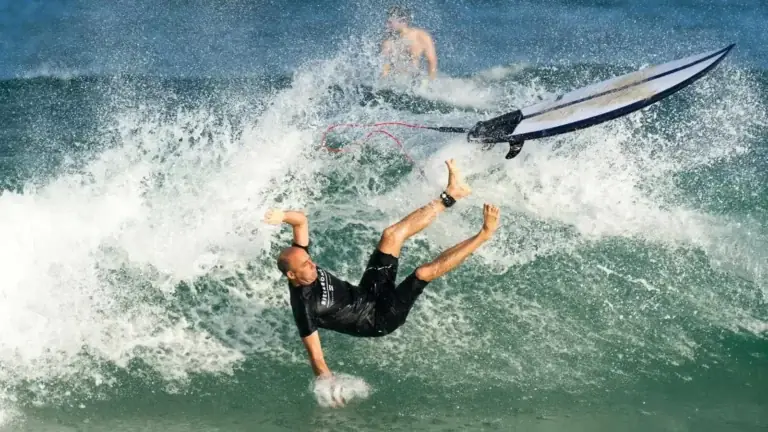
Densely populated surf spots elevate risk profiles. Loose surfboards, dropped-in waves, and erratic paddling pathways often lead to severe blunt-force trauma.
Misreading Coastal Signals
Surfers often mistake calm water channels for safe swimming zones. These smooth paths usually mark fast-moving rip currents flowing rapidly out to open sea.
Another common mistake is misjudging wave energy based solely on height. Long-period swells carry massive underwater force, creating heavy wave hold-downs regardless of apparent surface size.
Deep Contextual Background
Historical approaches to coastal safety transitioned from informal local traditions into systematic oceanographic risk management techniques.
The Informal Community Era
During the mid-twentieth century, coastal safety relied heavily on local ocean knowledge. Experienced surfers shared unwritten rules, rip locations, and swell directions informally at the beach.
Formal safety equipment remained minimal, with heavy glass boards lacking basic ankle leashes or protective gear.
Modern Lifeguard Systems and Protocols
By the late 1970s, municipal lifeguard agencies introduced standardized water safety protocols. Dedicated beach patrols introduced motorized rescue jet skis, warning flag systems, and public ocean education.
These systemic frameworks reduced coastal drownings significantly while expanding public ocean access.
Integrated Environmental Science Models
Modern safety frameworks combine real-time satellite buoy forecasting, specialized marine safety courses, and technical safety equipment. Advanced big-wave inflation vests and impact helmets protect athletes in extreme environments.
Understanding these modern safety systems allows surfers to navigate heavy ocean conditions confidently while minimizing physical hazards.
Conceptual Frameworks and Mental Models
Navigating dynamic ocean environments requires structured analytical frameworks to evaluate physical hazards before entering the water.
1. The Hazard Triad Model
This mental model evaluates ocean risk by assessing three primary environmental variables:
When wave energy increases over shallow reefs in crowded lineups, physical risk escalates exponentially rather than linearly.
2. The Dynamic Safety Triad
Managing ocean hazards requires assessing physical conditions across three interconnected operational areas:
Key Categories or Variations
Ocean safety hazards fall into six main categories, each requiring specific prevention and response tactics.
1. Channel and Rip Current Navigation
Identifying and utilizing or avoiding strong ocean currents flowing out to deep water.
-
Strengths: Conserves paddling energy when entering the lineup via deep channels.
-
Trade-offs: Can sweep unprepared surfers into deep offshore water quickly.
2. Impact Zone and Wipeout Management
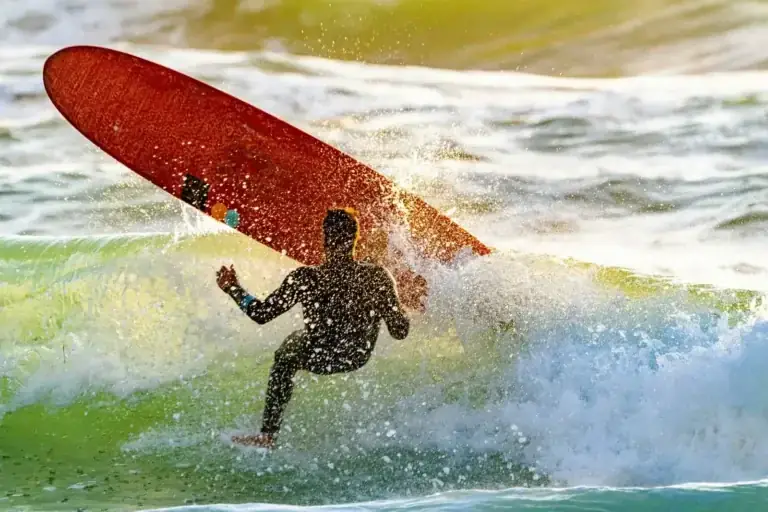
Techniques for managing heavy wave hold-downs, underwater turbulence, and seabed collisions safely.
-
Strengths: Minimizes panic while protecting the head and spine during violent underwater tumbles.
-
Trade-offs: Requires high physical cardiovascular conditioning and calm mental control.
3. Collision Prevention in Crowded Lineups
Spatial positioning strategies designed to prevent runaway board impacts and rider drops-ins.
-
Strengths: Avoids severe blunt-force injuries and protects equipment integrity.
-
Trade-offs: Reduces total wave count by prioritizing safe positioning over contested takeoffs.
4. Seabed Traumatology Avoidance
Navigating shallow coral reef, granite point, and hard sandbar takeoff zones safely.
-
Strengths: Protects skin, limbs, and joints from sharp underwater surfaces.
-
Trade-offs: Requires exiting waves early before they break into shallow, dry reef shelves.
5. Equipment Failure Preparation
Handling snapped ankle leashes, broken surfboards, or lost fins in heavy ocean conditions.
-
Strengths: Ensures survival through unassisted ocean swimming capacity.
-
Trade-offs: Requires constant maintenance checks and physical swimming practice.
6. Environmental and Weather Response
Managing sudden offshore wind shifts, lightning storms, fog banks, and water temperature drops.
-
Strengths: Prevents hypothermia, lost orientation, and atmospheric hazard exposure.
-
Trade-offs: Demands leaving quality waves early when weather conditions deteriorate.
Safety Strategy Hazard Comparison Matrix
Detailed Real-World Scenarios
Scenario A: Escaping a Dragging Rip Current
A surfer gets caught in a fast-moving, 5-knot feeder rip current near a steep headland.
Navigating across the current rather than fighting it directly conserves physical energy, allowing a safe return to shore.
Scenario B: Handling a Snapped Leash in Deep Water
A wave rider loses their leash string in large ocean swell, leaving them 200 yards offshore without flotation.
Calm Flotation Assessment
The surfer rolls onto their back immediately to regulate breathing rates, conserving energy while tracking set waves.
Utilizing Whitewater Push
Rather than swimming straight against outgoing currents, the swimmer uses incoming whitewater foam balls to push toward shore.
Planning, Cost, and Resource Dynamics
Equipping for ocean safety involves balancing gear costs, physical training time, and safety certification investments.
Investment Range Overview
Tools, Strategies, and Support Systems
Modern ocean safety relies on technical equipment and structural safety protocols to reduce physical risks.
Technical Physical Gear
-
Dual-Swivel Urethane Leashes: Prevents board tangles while maintaining strength under heavy wave tension.
-
Low-Profile Impact Helmets: Protects the head against board fins, sharp reef, and shallow sandbar impacts.
-
Neoprene Impact Vests: Provides flotation and cushions rib cages against heavy water slaps.
Environmental Tracking Systems
-
Real-Time Buoy Telemetry: Monitors swell height, wave period, and directional spread to anticipate surges.
-
Tide Chart Applications: Tracks water depth over shallow reefs to avoid dangerous low-tide conditions.
-
Coastal Web Cameras: Shows crowd density, wind shifts, and line-up hazards before arriving at the beach.
Risk Landscape and Failure Modes
Failing to respect ocean hazards can cause severe structural trauma, drowning, or acute medical emergencies.
Primary Physical Risk Taxonomy
-
Cervical Spine Compression: Head-first collisions with shallow sandbars can cause severe spinal cord trauma.
-
Tendon Lacerations: Sharp board fins can cause deep cuts during violent wipeouts.
-
Barotrauma and Ear Damage: Water pressure shocks can rupture eardrums during heavy underwater hold-downs.
Avoiding these injuries requires covering the head with both arms during every wipeout, maintaining leash integrity, and avoiding shallow takeoffs.
Governance, Maintenance, and Long-Term Adaptation
Maintaining personal ocean safety requires checking gear regularly and assessing physical conditioning constantly.
Ocean Safety Maintenance Checklist
Pre-Session Gear Audits
Inspect leash cords, swivel joints, and rail savers for stress cracks or wear before every session.
Physical Conditioning Checks
Practice breath-hold exercises, swimming laps, and shoulder mobility work regularly to maintain rescue endurance.
Spot Condition Evaluations
Observe the lineup for ten minutes from shore to track set intervals, channel locations, and crowd movements before entering the water.
Measurement, Tracking, and Evaluation
Tracking personal water safety performance requires monitoring physical fitness metrics alongside ocean experience markers.
Key Safety Indicators
-
Unassisted Swim Range: The distance a surfer can swim safely in open ocean without a surfboard.
-
Relaxed Breath-Hold Capacity: Time spent holding breath comfortably while experiencing elevated heart rates.
-
Leash Replacement Cycles: Replacing urethane leashes every twelve months prevents sudden equipment failures.
-
Situational Awareness Rating: Identifying channels, rip currents, and shallow reef hazards accurately from shore.
Common Misconceptions and Oversimplifications
Myth 1: “A Surfboard Leash Guarantees Total Water Safety”
Reality: Leashes snap, detach, or tangle frequently. Every surfer must be able to swim safely back to shore without relying on board flotation.
Myth 2: “Fighting a Rip Current Direct to Shore Is Best”
Reality: Swimming directly against a rip current causes fast physical exhaustion. Swimming parallel to shore escapes the current’s narrow exit path safely.
Ethical, Practical, or Contextual Considerations
Protecting safety in crowded lineups requires courtesy, spatial awareness, and respect for local rules. Avoid paddling directly through takeoff zones where catching surfers are riding down the line.
When a collision seems likely, abandon the wave early or steer into deeper water to keep everyone in the lineup safe.
Conclusion
Mastering how to avoid surf safety hazards requires analyzing ocean dynamics, maintaining gear integrity, and developing clear situational awareness. Ocean safety relies on systematic risk management rather than raw luck or physical strength alone.
Routinely assessing coastal conditions, updating safety gear, and respecting physical limits preserves long-term athletic health. A structured safety strategy protects wave riders, preserves physical endurance, and ensures safe ocean experiences for decades to come.